01
Upload assets, get shots
Product, background, and model images can all become the starting point.
reference image to ads
Stop starting from blank prompts. Upload the image, product, or moodboard that already feels right, then generate new ad visuals, posters, and social assets around it.
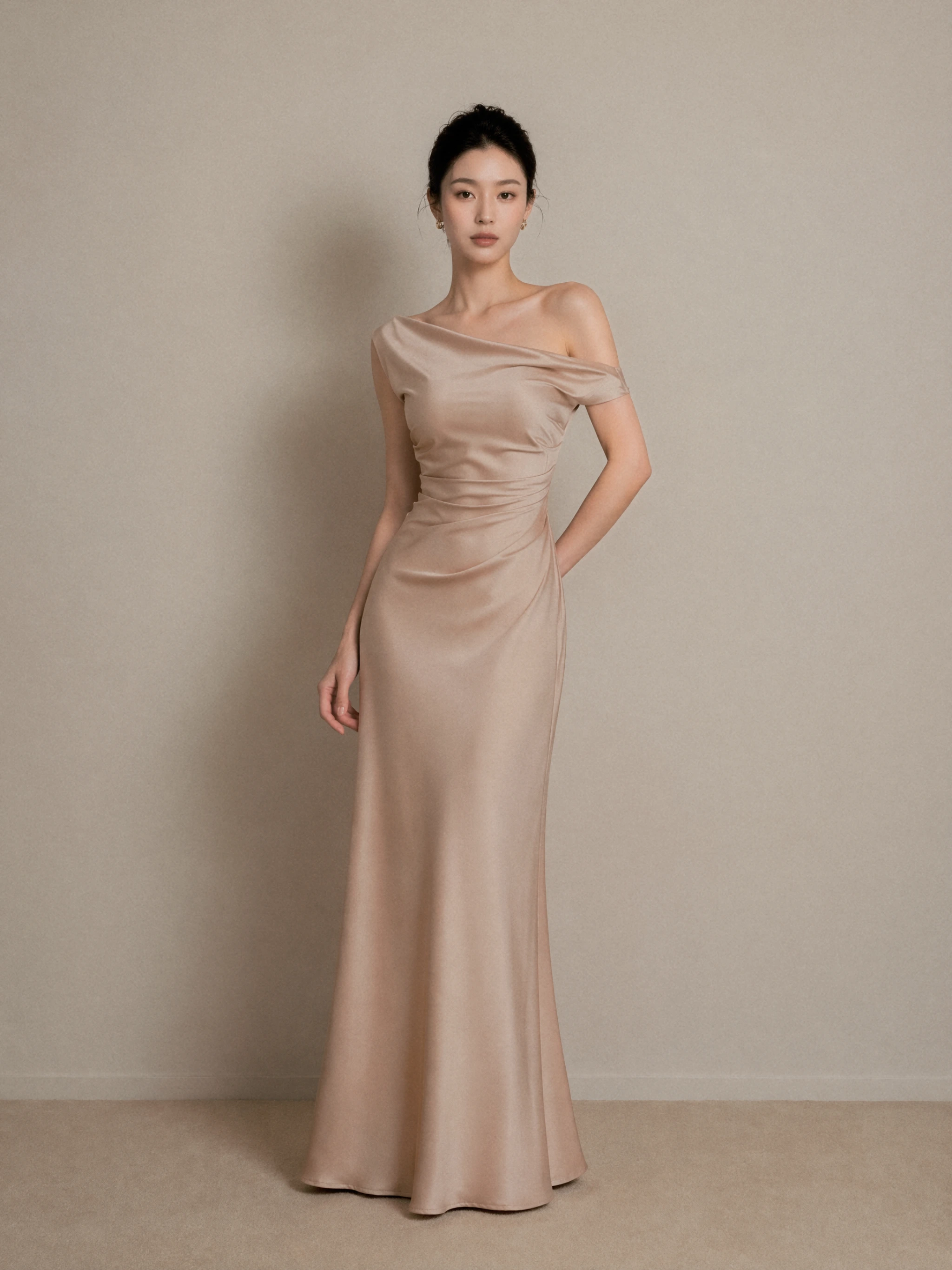
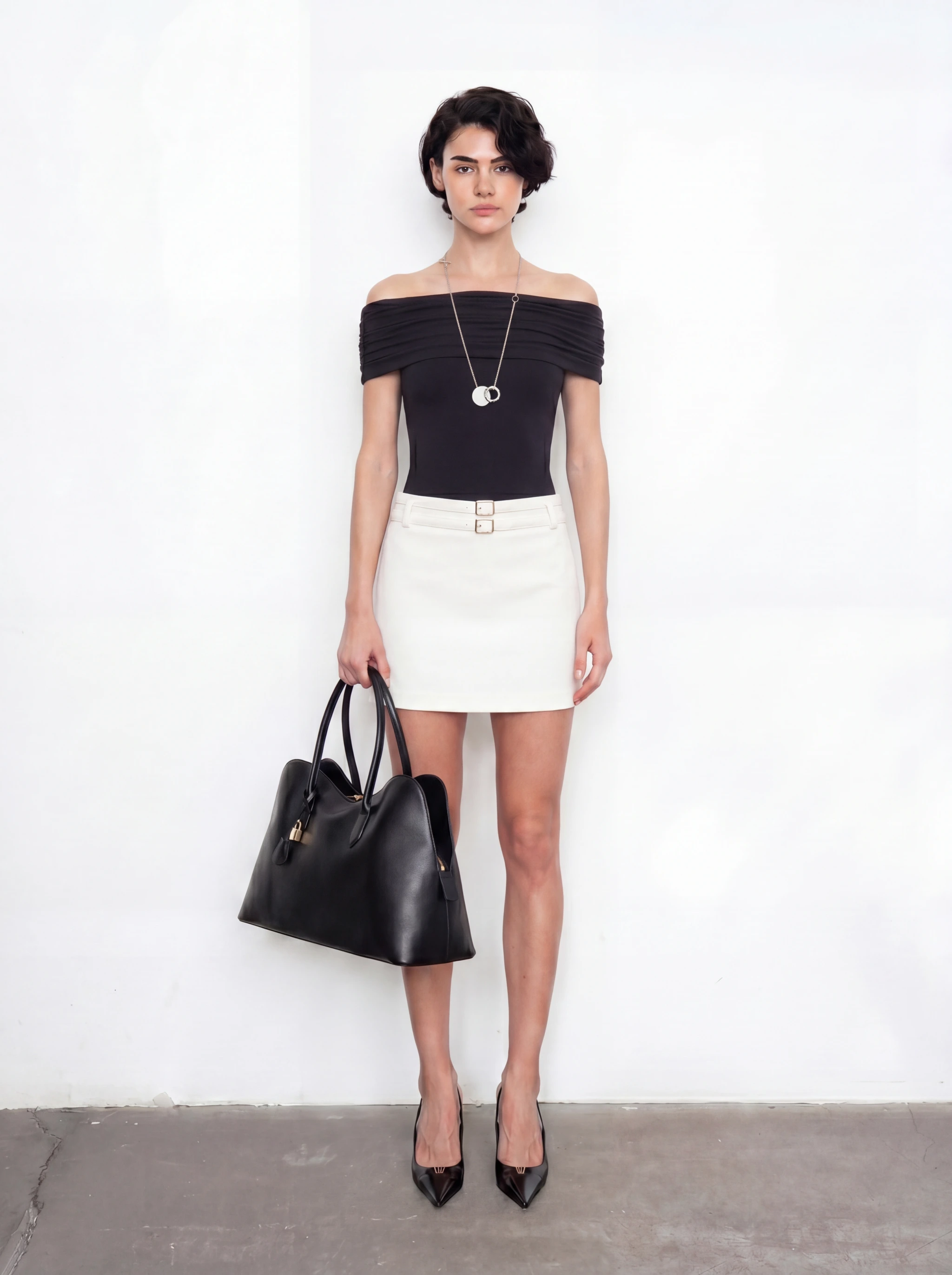
Selected site showcases: dress drape, handbag proportions and outerwear texture.
01
Product, background, and model images can all become the starting point.
02
A clear visual direction means fewer random attempts.
03
Style, lighting, and composition follow the reference.
Case examples
A satin dress showcase with soft light, visible folds and a clear silhouette.
A black handbag in a complete monochrome outfit, showing its scale alongside clothing.
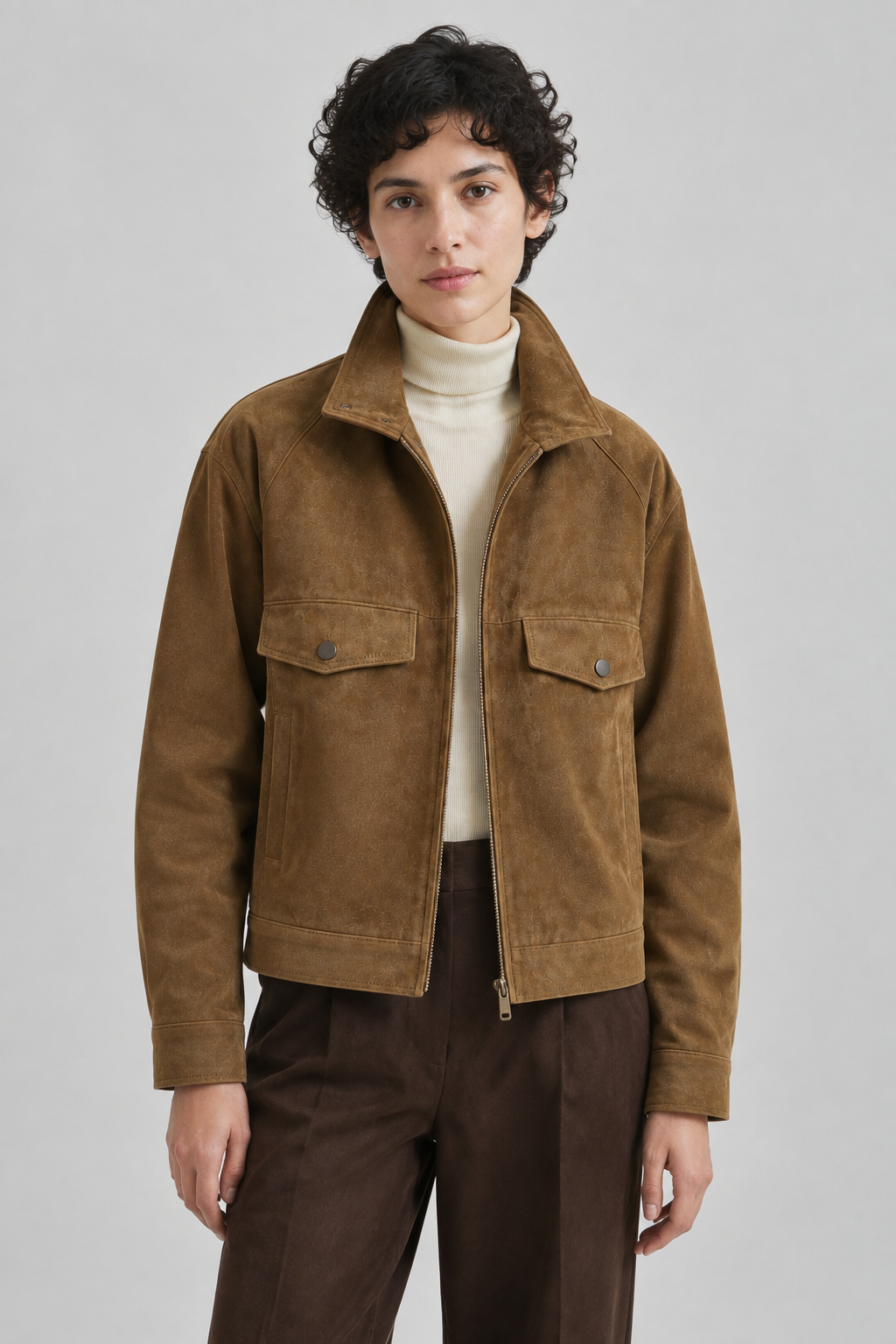
A generated jacket image from a verified project, showing suede texture, tailoring and neutral tones.
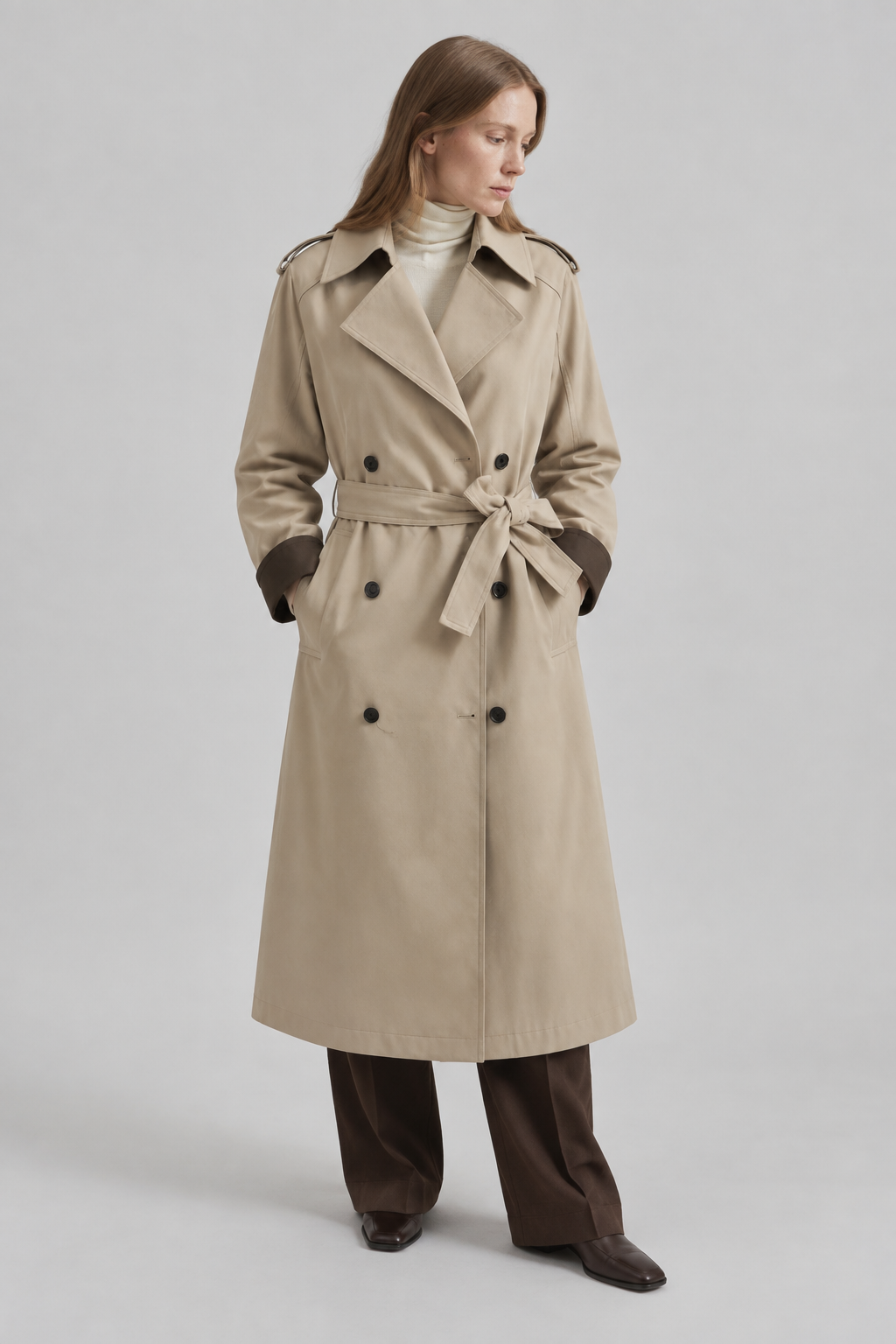
A saved photographic Style used for another product, retaining soft light and a neutral background.
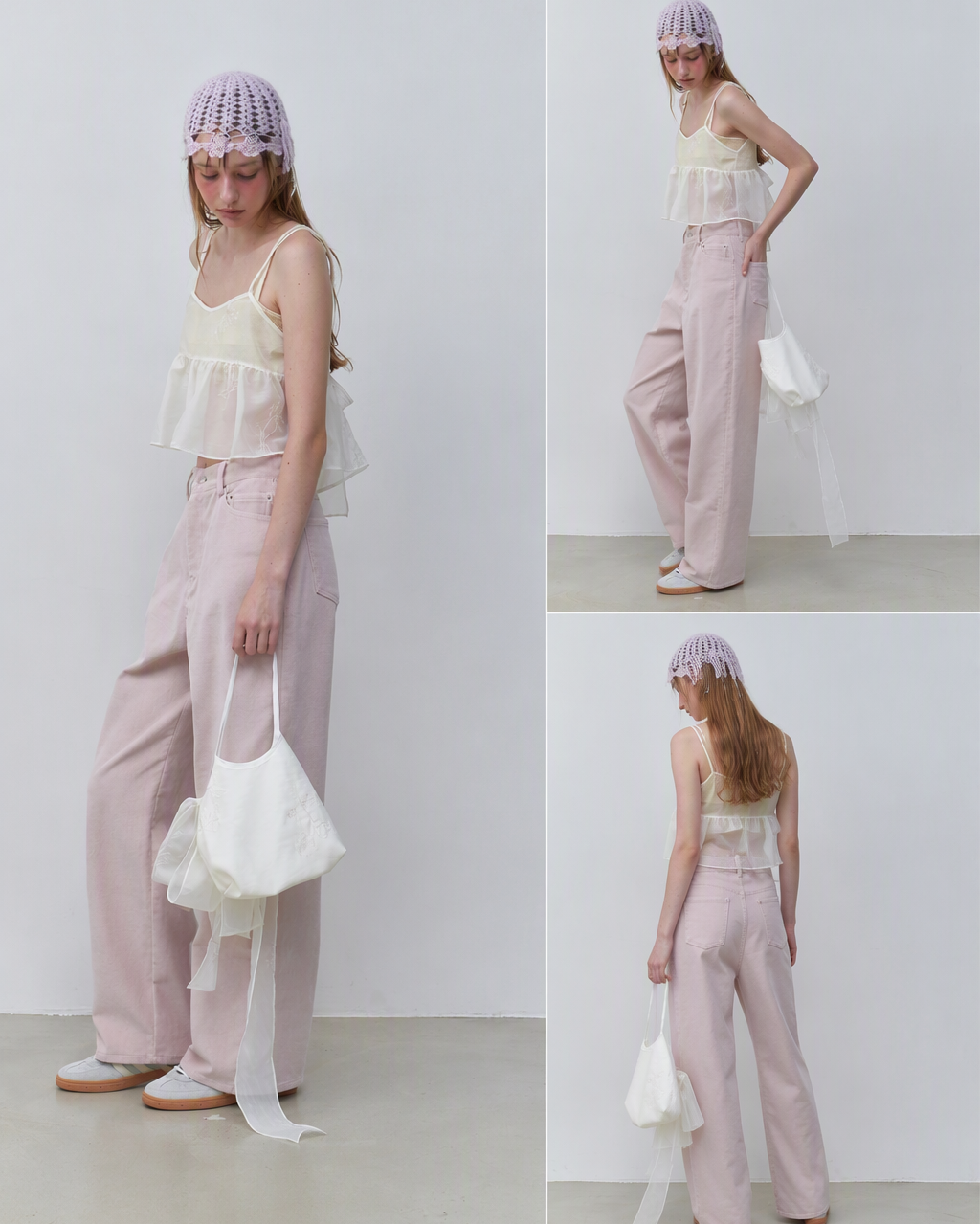
A site lookbook example combining full-body, closer and rear compositions.
Case breakdown
The same look can continue into front, side, back, detail, and full-body shots.
Reference
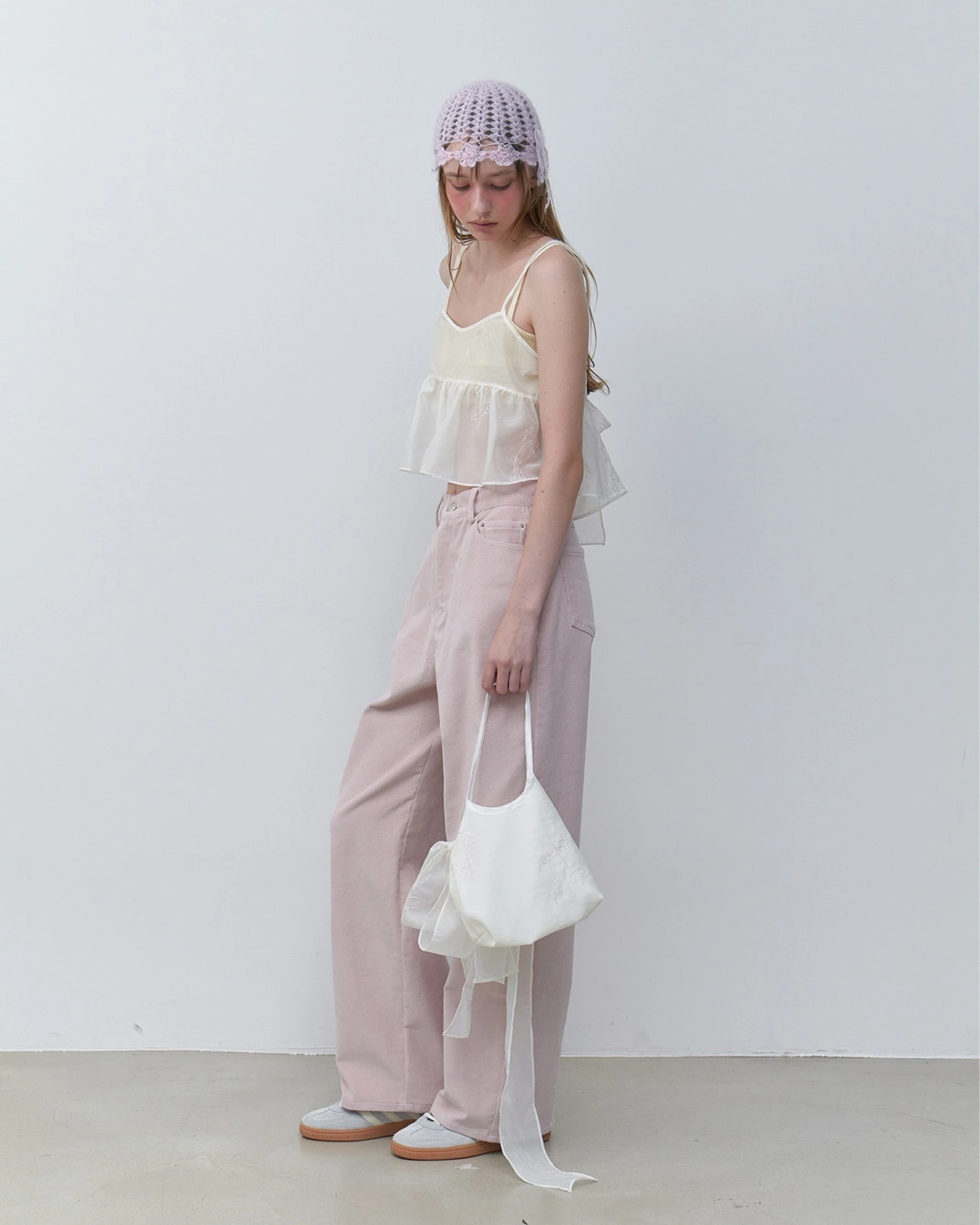
Single-image extension
The existing lookbook example extends one input into a set of full-body, closer and rear views. Review garment and accessory details before delivery.
Reference
Same Style, another product
A saved Style from a real project was used for a jacket and then a trench coat. These are generated results for two different products.
Why it works
Teams usually know what they like, but turning that into a stable prompt is hard. Starting from a visual reference lets the system read the difference directly.
Use an ad sample, competitor style, product image, or moodboard.
Specify whether you need a poster, social cover, ad image, or video starting frame.
Move usable results into the canvas for edits, resizing, background work, and motion.
Turn abstract taste into ad visuals that can be generated, compared, and edited.
The goal is to understand the visual direction and create a new image. Always confirm rights and platform rules before commercial use.
Yes. Use the product image as the subject and another reference as the visual or scene direction.
Yes. It can generate ad backgrounds and visual directions, while final typography and layout should still be reviewed.